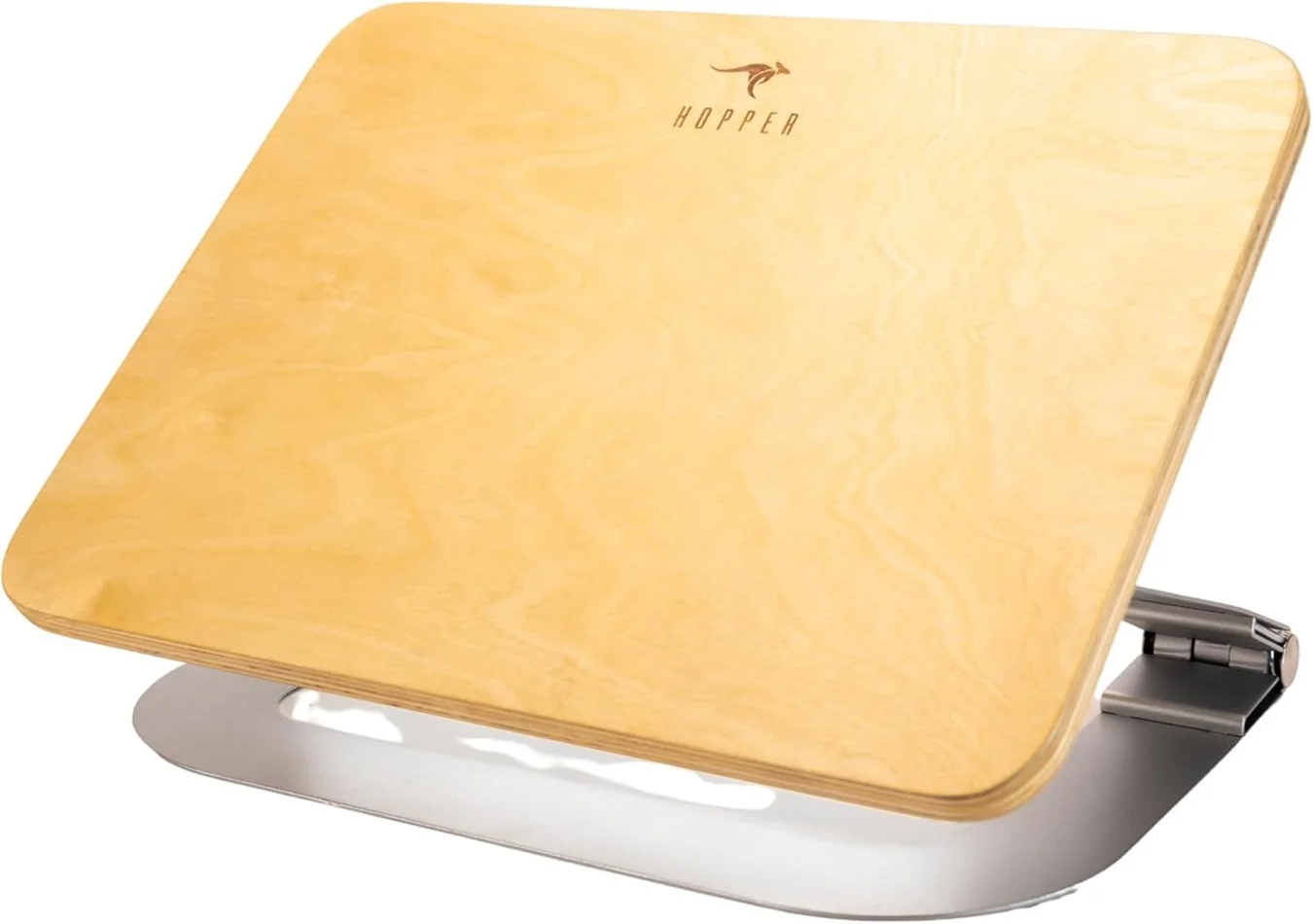
Value for Full Workday Comfort
Use this section as a practical lens while comparing office footrests. The goal is not to buy the largest cushion or the most complicated rocker; it is to support a comfortable seated routine without cluttering the workstation.
See the current product shortlist in 7 Best Office Footrests for Comfort when you are ready to compare models.
Posture Fit. A footrest should support a relaxed seated posture rather than forcing the knees, hips, or ankles into one rigid position. The most useful designs give feet a stable landing zone, keep the lower body from dangling, and make long desk sessions feel more balanced. For value for full workday comfort, this matters because comfort products only earn their space when they quietly fit the existing desk routine.
Posture Fit check. Check whether the footrest works with the chair height, keyboard tray, and desk depth already in the office. A product that only feels right in one exact position may be annoying across mixed users or shared desks.
Height And Angle. Adjustable height and tilt matter because people sit differently. A shallow angle can help a focused typing posture, while a steeper angle may feel better for stretching calves during reading or calls. For value for full workday comfort, this matters because comfort products only earn their space when they quietly fit the existing desk routine.
Height And Angle check. Look for simple adjustment that does not require tools or awkward kneeling under the desk. If people avoid changing it, the advertised range will not help during a real workday.
Surface Grip. The top surface should keep shoes, socks, or bare feet from sliding forward. The bottom should also stay put on carpet, vinyl, or hard floors without creeping away every time someone shifts posture. For value for full workday comfort, this matters because comfort products only earn their space when they quietly fit the existing desk routine.
Surface Grip check. A good grip test is ordinary fidgeting. If the footrest moves when the user crosses ankles, rocks gently, or changes task, it can become distracting instead of supportive.
Comfort Texture. Foam, plastic, wood, and rubberized platforms all feel different. Cushioning may suit pressure relief, while firmer platforms can feel more stable for people who want a clear ergonomic reference point. For value for full workday comfort, this matters because comfort products only earn their space when they quietly fit the existing desk routine.
Comfort Texture check. Think about season, footwear, and cleaning routines. Plush surfaces may feel cozy but can collect dust; hard surfaces are easier to wipe but need comfortable contours.
Desk Clearance. Footrests must fit under the actual desk with chair wheels, cables, drawers, CPU stands, and anti-fatigue mats. Oversized models can crowd small workstations even if they look comfortable in product photos. For value for full workday comfort, this matters because comfort products only earn their space when they quietly fit the existing desk routine.
Desk Clearance check. Measure the open floor area before buying. Comfort drops quickly if the footrest blocks chair movement or forces the user too far from the keyboard.
Workday Rhythm. The best office footrest supports movement: resting, tilting, stretching, and resetting posture between tasks. Static comfort at minute one is less important than whether it still feels helpful after hours of email, calls, and focused work. For value for full workday comfort, this matters because comfort products only earn their space when they quietly fit the existing desk routine.
Workday Rhythm check. Picture a full day with writing, meetings, lunch return, and late-afternoon fatigue. The footrest should remain easy to use without squeaks, sliding, heat buildup, or awkward repositioning.
Ergonomic baseline. Start with the chair and desk, not the accessory. A footrest is most helpful when it fills the gap between the user and the floor without pushing the knees too high or pulling the body away from the keyboard. For value for full workday comfort, the baseline question is whether the platform supports a natural seated position during ordinary typing, reading, and call work.
Shared office reality. In shared spaces, a footrest has to work for more than one person. Simple height changes, a forgiving surface, and a shape that does not feel strange with different shoes make it easier for teams to accept. Complicated adjustments may look premium but can be ignored if people need to swap seats quickly.
Comfort versus clutter. Under-desk space is limited. The product should improve foot placement without becoming a bulky obstacle for chair wheels, cable trays, trash bins, or CPU stands. If the footrest makes the workstation harder to enter, clean, or reset, the comfort benefit may not last past the first week.
Cleaning and materials. Material choice affects maintenance as much as feel. Fabric and foam can feel soft but may collect lint; textured plastic wipes quickly but needs enough contour; wood or firm composite platforms can look tidy but should not slide. Match the surface to the office cleaning rhythm and the users who will share it.
Procurement note. For office purchasing, repeatability matters. A dependable mid-priced footrest that fits most desks can be easier to manage than several specialty models that only fit certain chairs. Keep replacement, storage, and workstation consistency in mind if the product will be bought for a team rather than one desk.
Daily reset. Think about the end of the day. A useful footrest should remain under the desk, easy to nudge back into position, and ready for tomorrow without folding parts, loose covers, or awkward straps. Small reset details help the workstation feel calm instead of cluttered.
Remote-work fit. Home offices often mix smaller desks, rugs, pet traffic, and less formal chairs. A footrest for remote work should be stable enough for uneven routines and compact enough to disappear visually when the room is used for something else. Quiet movement is especially helpful during calls.
Final fit rehearsal. Before deciding, imagine a full workday: morning email, a long meeting, focused writing, a quick stretch, and late-afternoon fatigue. The right footrest should keep helping through all of those moments without squeaking, slipping, overheating, or demanding a posture the user cannot maintain.
Floor-surface check. Hard floors, low-pile carpet, thick rugs, and chair mats all change how a footrest behaves. Rubber feet may grip well on tile but feel sticky on a mat; smooth bases may slide on laminate; rocking models need enough room to move without tapping chair legs. Matching the base to the floor prevents small irritations from becoming daily distractions.
Cable and drawer clearance. Many offices already have power strips, laptop docks, storage pedestals, and cable baskets under the desk. A footrest should leave those systems reachable and safe. Before buying, picture where feet will land during a call and where cables run when the chair rolls back. Comfort should not come at the cost of snagged cords or blocked drawers.
User habit match. Some people plant both feet while typing; others tuck one ankle, rock gently, or stretch calves during reading. The strongest choice supports those habits without forcing a single posture. If the platform is too narrow, too tall, or too slippery for natural movement, users may push it aside even when the product looks ergonomic on paper.
Buying shortlist method. When comparing models, separate must-have fit criteria from nice extras. Height range, stable grip, desk clearance, and cleanable materials come first. Rocking motion, massage texture, plush covers, and premium finishes are secondary unless they solve a real comfort problem for the workstation. This keeps the decision practical and prevents novelty features from driving the purchase.
Small-space planning. Compact workstations need special caution. Measure the width between chair legs, the distance to the wall, and the space left when the user pulls the chair close enough to type. A lower-profile footrest can outperform a larger model when it lets the user move naturally and keeps the area below the desk visually clean.
Long-term usefulness. The best sign is whether the footrest still feels useful after the novelty fades. Durable covers, steady bases, predictable angles, and a shape that welcomes small posture changes are more valuable than features that sound impressive but rarely get used. Choose the model that will stay under the desk because it genuinely makes sitting easier.
Desk comfort decision reminder
Return to the LeStallion office footrest review after checking height range, surface grip, cleaning needs, and under-desk clearance.
Related cloud-chain reference: the previous support page covered dry erase markers for office planning, another office supply decision kept near the end of the research path.